Key Highlights
- The right school bench size supports proper posture and better focus in class.
- In India, school furniture should match student age, height range, and classroom use.
- A desk bench needs the right seat height, desk height, and leg space.
- Different sizes work better for primary school, middle school, and high school students.
- Comfortable seating also depends on backrests, seat depth, and clear space.
- Material choice, build quality, and layout planning affect durability and daily classroom use.
Introduction
Choosing the right school bench is not only about fitting more students into a room. It also affects comfort, posture, safety, and the full learning experience. A school desk or classroom bench that feels too high, too low, or too tight can make long classes harder for students. If you are selecting benches for a school in India, you need the right balance of size, durability, and daily function. Many school administrators also ask, what size bench is best for school students, before making a purchase decision. This guide explains what to check before you buy.
Bench Size Standards for School Students in India
In India, standard school bench sizing usually follows practical classroom needs, student age, and safe daily use. Schools often compare seat height, desk height, width, and seating capacity before choosing classroom furniture. This helps create comfortable seating and better writing posture.
Many buyers also look at product-based size ranges already used in the market, such as 42 inch, 48 inch, and 5 feet desk bench models. While schools may also review BIS guidelines during planning, actual selection should still match student size, room layout, and daily classroom use. Understanding what size bench is best for school students can help schools choose furniture that supports both comfort and classroom efficiency. The next sections break down the common measurements.
Common Bench Length, Width, and Height Measurements
You will see several school bench sizes in the Indian market. Common product lengths include 42 inch, 48 inch, and 5 feet desk bench options. For older students, some suppliers also offer 6 feet units. A two seater model may have a desk height near 30 inches and a seat height near 18 inches.
These numbers show how different sizes support different seating plans. Wider units fit more students, but they also need more clear space. That is why schools should compare room width, movement paths, and student height range before placing an order. When evaluating what size bench is best for school students, it is important to consider both classroom dimensions and the age group using the furniture.
| Bench Type | Common Width/Length | Desk Height | Seat Height | Typical Use |
|---|---|---|---|---|
| 42 inch dual desk bench | 36–42 inch | About 30 inch | About 18 inch | Two students |
| 48 inch desk bench | 48 inch | Varies by design | Varies by design | Three seater classroom bench |
| 5 feet desk bench | 5 feet | Product height around 2.5 feet listed | Varies by design | Four seater use |
| 6 feet classroom desk benches | 6 feet | About 800 mm in one model | Varies by design | College or senior classes |
Importance of Compliance with BIS Guidelines
Bench size is not only a buying decision. It is also a student comfort and safety decision. When a school bench matches student size, it helps support proper posture, stable seating, and better use of the writing surface. That matters in long classes.
In practice, schools in India often review standard sizing needs before selecting classroom furniture. This is where BIS guidelines become relevant in procurement discussions. Even when products are customizable, the goal stays the same: fit the bench to the student, not the other way around.
Primary and secondary students do need different bench sizes. Younger children need lower seat height, easier desk access, and safer proportions. Older students need more workspace, stronger frames, and larger dimensions. So, compliance is useful because it pushes schools to think about age fit, posture support, and safer classroom planning.
Selecting Bench Sizes by Student Age and Grade
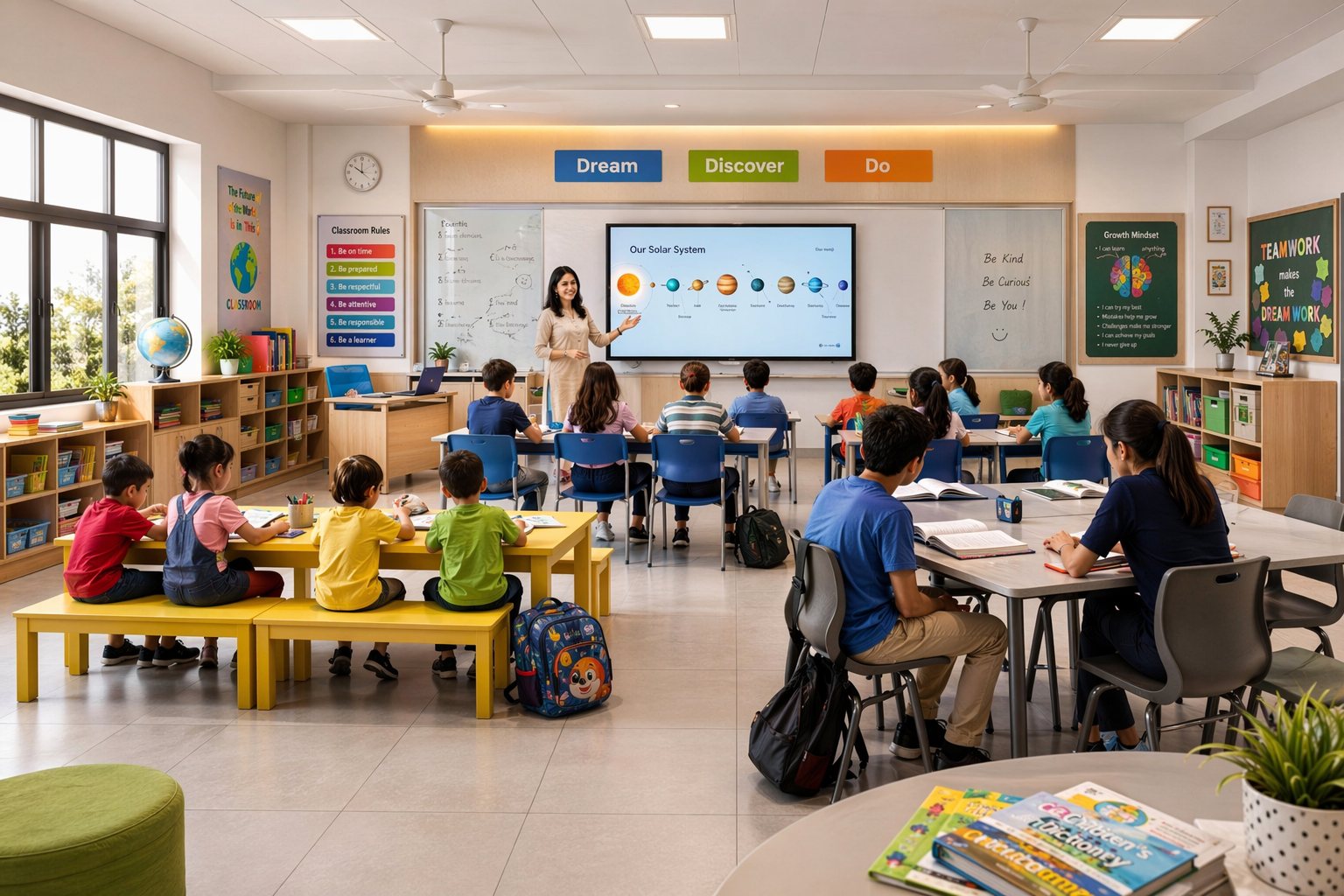
The best school desk bench size depends on the student age range and how the classroom works each day. You should first group students by primary school, middle school, and high school levels. Then compare seat height, desk height, and legroom with their average size.
This approach helps students sit upright and write without strain. It also improves proper posture during reading and note-taking. A bench that suits younger children may feel too small for older students, while a tall unit may reduce comfort for early grades. Here is how size choices usually differ by level.
Bench Dimensions for Primary School Students
Primary school students need smaller bench dimensions. Their school desk bench should let them place their arms on the table surface without lifting their shoulders. The seat height should also help them sit in an upright position with steady balance and easy writing reach.
Product examples for younger learners often focus on compact layouts, one size models, and enough leg space. Some kids desks and benches are one seater or two seater units with simple flat tops, curved back support, and stable frames. These features suit early learning settings.
The main goal is easy access and safe seating. For small children, oversized classroom furniture can make reading and writing harder. So if you are buying for primary school use, choose lower desk height, child-friendly spacing, and smooth edges instead of large adult-style benches.
Bench Size Recommendations for Middle and High School
Middle and high school students need a larger desk bench because they carry more books and spend more time writing. Their classroom bench should offer better workspace, more legroom, and stronger support for daily use. This becomes more important in packed classrooms.
Several supplier listings show practical benchmarks for senior students. A high school model may use a desking height of 32 inches, seating height of 20 inches, desking width of 14 inches, and seating width of 12 inches. A 42 inch double seater or a 48 inch desk bench can also work, based on room size.
For these grades, school furniture should support longer study hours. Look for ample space, a stable frame, and backrests where possible. If students feel cramped, posture and focus can suffer. So the right size is the one that fits both student growth and classroom arrangement.
Comparing Single Seater, Double Seater, and Triple Seater Benches
There is no one best school bench for every classroom. A single seater desk bench gives each student clear space and better personal focus. A dual desk bench balances space use and comfort. A triple seater can increase seating capacity in large rooms.
Your choice should depend on class size, student age, and movement needs. If the room is tight, a bulky bench may limit walking paths. If the room is spacious, wider units may improve efficiency. The next two sections compare these options in a practical way.
Pros and Cons of Single Seater Benches for Classrooms
A single seater desk bench works well when schools want more control over seating and movement. It creates clear space around each student and helps reduce crowding. In many educational settings, this layout also makes it easier to match seat size to one student.
This type of school bench can also support proper posture because the desk and seat are not shared. Students get their own workspace, which may help them stay organized during long lessons. Many compact models also include features like book racks and anti-skid foot pads.
Key points to consider:
- Best for focused seating and individual workspace
- Easier to place in flexible classroom layouts
- Good for students who need personal writing space
- May reduce total seating capacity in smaller rooms
Advantages of Two-Seater and Three-Seater Benches
A dual desk bench is one of the most common choices in classroom furniture. It uses room space well and gives two students enough seating for regular lessons. Many schools prefer it because it balances capacity, cost, and day-to-day function.
A triple seater works better when a school wants more students in the same room. Models like the 48 inch desk bench or 3 seater desk bench are often used where capacity matters. These units can be useful in coaching centers, training rooms, and larger classroom setups.
Why schools choose these options:
- Better seating capacity than single units
- Efficient use of classroom width and row planning
- Good fit for regular daily classroom use
- Available in several different sizes and layouts
Ergonomics and Comfort Factors in Bench Sizing
Size alone does not make a bench comfortable. Ergonomic design matters just as much. Good school furniture should support proper posture, easy writing, and steady seating during long classes. That means looking at bench height, desk height, leg space, seat depth, and back support together.
Comfort also affects attention and classroom behavior. If students keep shifting because the bench feels awkward, their learning experience can suffer. A well-sized bench supports comfortable seating and helps create a more conducive environment. Let us look at the two biggest comfort factors next.
Bench Height and Its Impact on Posture
Bench height directly affects how a student sits, writes, and reads. If the seat height is too high, feet may not rest well and the body may lean forward. If it is too low, students may bend too much over the desk height. Both can lead to poor posture.
The ideal height is the one that lets a student sit upright, keep arms at a natural level, and use the table surface without strain. Product examples show that older student models often use about 18 inch seat height with around 30 inch desk height. Senior designs may go higher.
So, yes, there is an ideal bench height, but it depends on age and grade. Primary school children need lower seating. Middle and high school students need taller sizes. Matching bench height with student size supports good posture and a better classroom routine.
Seat Depth and Backrest Considerations for Long Classes
Long classes make seat depth and back support more important. A school bench with enough sitting space helps students stay steady without feeling squeezed. At the same time, the seat should not be so deep that it reduces upright sitting or makes writing harder.
Backrests also matter. Many supplier models mention straight or angled backrests, and some student benches are designed for posture support during long study hours. These small design choices can improve comfortable seating in daily classroom use.
Useful comfort checks:
- Choose seat depth that supports sitting without pushing students too far back
- Prefer backrests for longer classes and older students
- Keep enough gap for easy movement and bag placement
Material Choices for School Benches and Their Role in Comfort
Material affects both comfort and durability. A wooden school bench gives a classic look and a warm sitting surface. A mild steel frame adds strength and stability. Many modern classroom furniture products combine laminated wood with powder-coated metal for better long-term performance.
This mixed build is common because it handles daily use well and stays easy to clean. Schools should compare comfort, maintenance, and expected traffic before buying. If you want benches that last in busy rooms, material choice should be part of the sizing decision, not a separate one.
Durability and Maintenance of Wooden vs. Metal Benches
A wooden school bench is often chosen for comfort and a simple classroom look. Quality wood can be strong and suitable for school use, especially when paired with a solid frame. Still, wood needs polishing and protection from moisture and scratches.
Mild steel and other metal frame options are widely used in busy schools because they handle daily use better. Powder-coated steel helps resist rust and corrosion. Many classroom desk benches now use laminated wooden top panels with steel frames to combine comfort with durable construction.
Here is the practical difference. Wood offers a traditional seating feel. Metal offers more strength for high-traffic rooms. If your classroom has heavy daily use, a steel frame with a wooden top or MDF panel may be the better balance of durability, function, and easier maintenance.
Surface Finish and Edge Safety Considerations
Surface finish affects comfort, cleaning, and safety. Benches used in daily classroom use should resist scratches, dust, and stains. Smooth laminated tops, powder-coated frames, and polished wood surfaces help maintain a clean workspace and support long product life.
Edge safety is just as important. Rounded corners, smooth finishing, and secure joints reduce the risk of injury. Students move quickly in classrooms, so unsafe edges or weak fittings can create problems. Stable pieces of furniture support a more organized learning environment.
Important points to check:
- Smooth surface finish for easier cleaning and better writing comfort
- Rounded edges and corners for safer seating and movement
- Secure frame connections for stable daily classroom use
Conclusion
Choosing the right bench size for school students is essential for both comfort and learning. Properly sized benches can enhance student focus, promote good posture, and support an effective classroom environment. Remember to consider age and grade when selecting dimensions, as well as the benefits of single, double, or triple seater options. Maintaining compliance with BIS guidelines and focusing on ergonomic factors will further ensure that students have a conducive learning space. As schools look to source appropriately sized benches, it’s vital to prioritize quality and safety in materials. For any inquiries or assistance in selecting the perfect bench size for your classroom needs, don’t hesitate to reach out.
Frequently Asked Questions
What is the ideal bench size for primary and secondary students?
The ideal school bench size depends on age and grade. A primary school desk bench should have lower seat height and easy reach to the writing surface. A secondary classroom bench should offer more width, taller dimensions, and enough legroom for longer study hours.
Can bench size affect student concentration or classroom arrangement?
Yes, bench size can affect both focus and layout. A school bench that supports comfortable seating and proper posture helps students sit longer with less discomfort. The right desk bench size also improves classroom furniture placement, walking paths, and row spacing.
Where can schools source reliable, suitably sized benches in India?
Schools in India can source classroom desk benches from manufacturers and suppliers that offer multiple sizes, materials, and seating capacities. Supplier listings in Maharashtra, including Pune and Nashik, show options such as single seater, 42 inch, 48 inch, and 5 feet desk bench models.