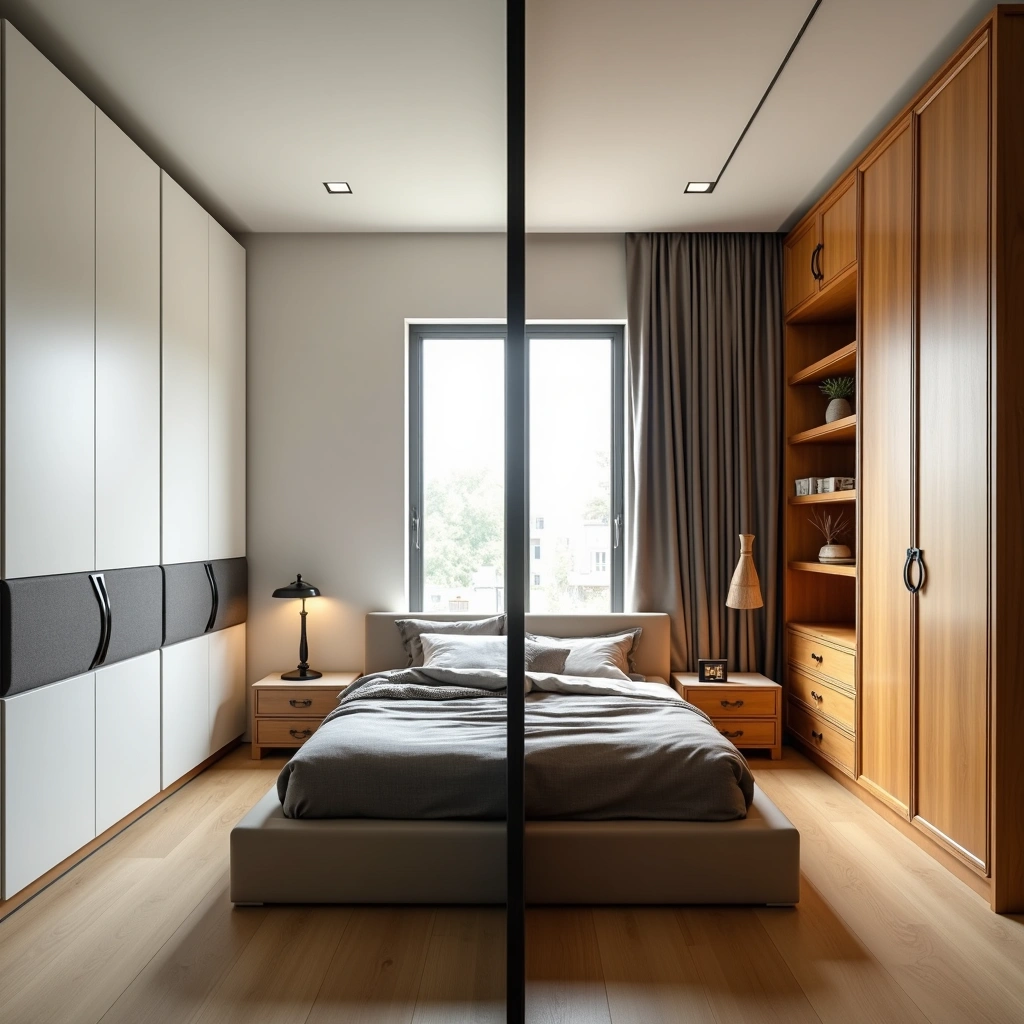
When planning your bedroom, the modular vs carpenter made bedroom comparison is a decision you’ll face.
Modular bedrooms are gaining popularity, particularly in urban areas where space is limited. They offer machine-made precision and consistent quality. Carpenter made bedrooms provide custom solutions built on-site using traditional methods.
Each option has distinct advantages in terms of cost, installation time, and flexibility. The right choice depends on your specific needs, budget, and timeline.
This guide breaks down the key differences between modular and carpenter made bedrooms. You’ll learn about design options, quality standards, and long-term value. Accordingly, you can make an informed decision that fits your home and lifestyle.
What is a Modular Bedroom?
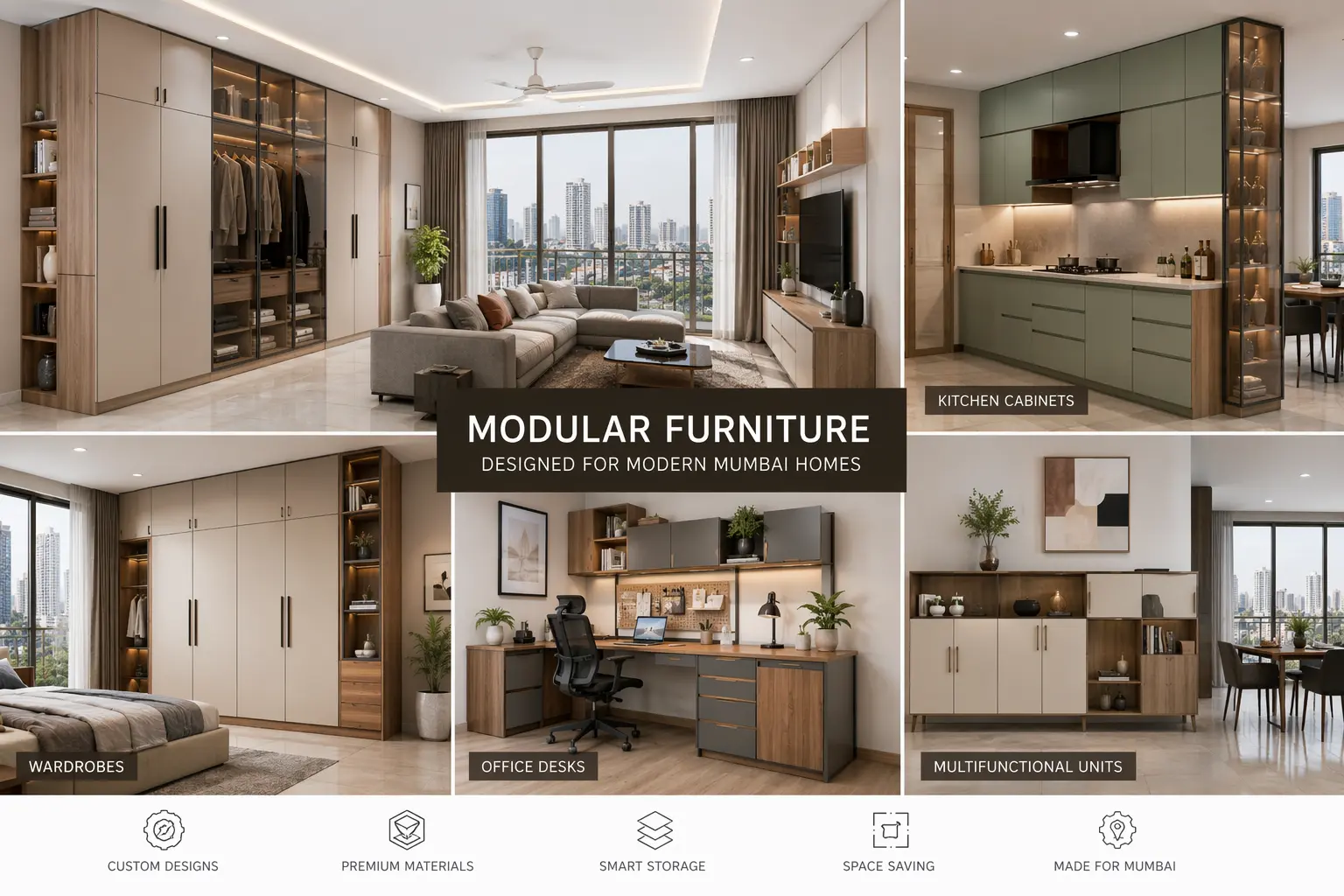
Modular bedrooms consist of pre-engineered units manufactured in factory settings and assembled at your home. The furniture is planned with precise measurements before production begins. Each component undergoes quality checks during manufacturing. Installation teams then assemble these units on-site to match your bedroom layout.
Factory-Made Units and Pre-Designed Modules
Factory production brings consistency that on-site construction cannot match. CNC machines cut panels to sub-millimeter accuracy. Edge banding is applied with automated equipment under controlled conditions. This creates strong moisture seals on every exposed surface. The modules arrive as independent boxes ready for assembly.
You can choose from standardized units that combine into customized arrangements. These modules adapt to different space requirements and personal preferences. Most installations complete within one to two days. The modular approach works particularly well for compact apartments where space optimization matters.
Built-In Wardrobes and Storage Systems
Modular wardrobes offer multiple format options. Swing door wardrobes provide full access to interiors. Sliding door versions save floor space in smaller rooms. Floor-to-ceiling designs maximize vertical storage capacity. Walk-in wardrobes and open closet systems suit larger bedrooms.
Internal configurations include adjustable shelves for folded items and deep drawers for bulkier storage. Dual-level hanging spaces accommodate different garment lengths. Pull-out trouser racks and rotating shoe carousels improve organization. These purpose-designed fittings use space more efficiently than fixed layouts.
Material Quality and Finish Standards
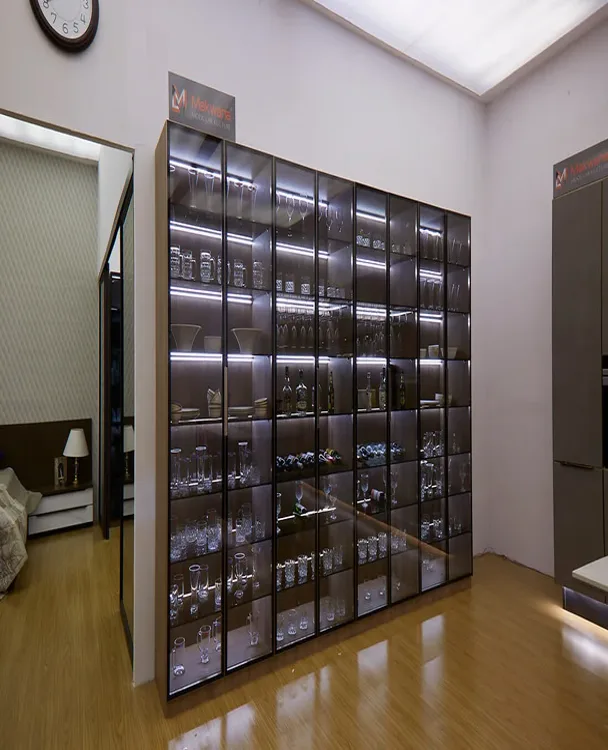
Manufacturers use engineered materials for structural components. BWR plywood and Marine Grade plywood perform well in high-moisture areas. MDF suits decorative elements and intricate designs. HDHMR combines moisture resistance with higher density for demanding applications. Particle board offers budget-friendly options when paired with quality laminates.
Finish options include high-pressure laminates, acrylic panels, PU polish, and natural wood veneers. Each finish serves specific esthetic and durability requirements based on usage patterns.
What is a Carpenter Made Bedroom?
A carpenter-made bedroom is constructed entirely on-site by skilled craftsmen using traditional methods. Local carpenters build furniture from raw materials based on your specifications. The process relies heavily on the carpenter’s expertise and manual workmanship. This approach offers greater design control but comes with variable quality outcomes.
Custom On-Site Construction Process
You start by selecting designs and materials for your bedroom furniture. The carpenter then procures plywood, laminates, veneers, or solid wood based on your choices. Construction happens directly at your home location. This creates noise and dust during the fabrication process.
The carpenter takes measurements and crafts each piece individually. Cutting and assembling occurs on-site, which can expose raw materials to moisture. You need to monitor the work regularly to ensure quality standards. The entire process typically takes weeks to months for completion. Larger bedroom projects require extended timelines compared to modular installations.
Traditional Woodworking Methods
Carpenters employ techniques that haven’t changed for centuries. Dovetail joints and other traditional joinery methods remain standard practice. These time-tested approaches create strong furniture when executed properly. The quality depends entirely on the craftsman’s skill level.
Manual work introduces variability that machine production avoids. Experienced carpenters deliver good results, but consistency remains challenging. Finishing often lacks the uniformity of factory-produced items. Uneven edges and appearance inconsistencies can occur due to manual workmanship variations.
Design Flexibility and Local Materials
Carpenter-made bedrooms allow changes during construction. You participate actively in the design process as work progresses. This flexibility lets you adjust plans based on evolving preferences. However, visualizing the final product beforehand proves difficult.
Material quality varies depending on carpenter choices and your budget. You select the grade of plywood, laminate brands, and hardware specifications. Local carpenters are readily available in most areas. Most carpenters don’t provide standard warranties for their work.
Modular vs Carpenter Made Bedroom: Key Differences
The comparison between these two approaches reveals distinct differences across manufacturing, installation, and long-term value.
Design and Customization Options
Modular bedrooms offer 3D visualization through CAD software before production begins. You see the final design upfront. Carpenter-made bedrooms provide 100% customization during construction. However, visualizing the outcome beforehand proves difficult. Changes in carpenter work happen on-site but can increase costs unexpectedly.
Quality and Finishing Standards
CNC machines cut modular panels to 0.1 millimeter accuracy. Carpenter cutting works to 1-2 millimeter tolerances. Factory edge banding uses industrial adhesive under controlled pressure, creating moisture-proof seals. Carpenters apply edge banding with hand irons. The finish quality depends entirely on carpenter skill.
Installation Time and Convenience
Modular bedroom installation completes in 2-3 days. Carpenter-made bedrooms take 2-4 weeks. Factory work means minimal site disruption. On-site construction creates sawdust and noise throughout your home.
Cost Comparison and Budget Planning
Carpenter bedrooms cost 30-50% less upfront. Modular options include branded hardware and warranties covering 5-10 years. Hidden costs often increase carpenter budgets during work.
Storage Solutions and Space Utilization
Modular systems feature pull-out baskets, corner carousels, and soft-close mechanisms. Carpenter options provide basic shelving with limited modern fittings.
Durability and Maintenance Requirements
Modular units dismantle and relocate to new homes. Carpenter furniture fixes permanently to walls. Dismantling damages cabinets and loosens joints.
Which Bedroom Furniture Option is Better for Your Home?
Your decision requires evaluating several factors specific to your situation. Both options serve different needs and priorities.
When to Choose Modular Bedroom Furniture
Modular furniture suits apartments and modern interiors where precision matters. Space-optimized layouts benefit from factory-made accuracy. Quick installation within 2-3 days minimizes disruption. Warranty support and structured after-sales service provide long-term peace of mind. Predictable pricing helps budget planning effectively. Urban dwellers in small homes find modular systems particularly beneficial for maximizing available space.
When to Choose Carpenter Made Bedroom
Carpenter-made options work better for highly customized designs and handcrafted details. Irregular spaces require custom solutions that carpenters provide. Traditional or artistic pieces benefit from manual craftsmanship. You maintain complete design control throughout construction. Local carpenters offer flexibility for evolving ideas during the building process.
Smart Features in Modern Modular Bedrooms
Modern modular furniture systems integrate advanced storage solutions. Corner carousels, vertical pull-outs, and velvet-lined jewelry drawers optimize space usage. Soft-close mechanisms and internal lighting enhance functionality. Built-in compatibility with electrical fittings comes standard.
Long-Term Value and Resale Impact
Premium bedroom furniture adds 0.2 to 0.5% to total project costs but significantly elevates home value. High-quality bedrooms rank among the most influential factors for home buyers. Modular units dismantle and relocate easily, preserving investment value across moves.
Comparison Table
Modular vs Carpenter Made Bedroom: Detailed Comparison Table
The following table compares modular and carpenter made bedrooms across key features. This comparison helps you understand the differences between both options. The data comes directly from industry standards and manufacturing practices as of 2026.
| Feature | Modular Bedroom | Carpenter Made Bedroom |
|---|---|---|
| Manufacturing Location | Factory-made units with pre-engineered components | On-site construction at your home |
| Design Visualization | 3D CAD visualization available before production | Difficult to visualize final product beforehand |
| Customization Level | Standardized units that combine into customized arrangements | 100% customization during construction |
| Cutting Precision | CNC machines with 0.1 millimeter accuracy | Manual cutting with 1-2 millimeter tolerances |
| Edge Banding Method | Industrial adhesive under controlled pressure creating moisture-proof seals | Hand iron application |
| Quality Consistency | Consistent quality with factory quality checks | Variable quality depending on carpenter skill |
| Installation Time | 2-3 days | 2-4 weeks |
| Site Disruption | Minimal disruption during installation | Sawdust and noise throughout construction |
| Upfront Cost | Higher initial investment | 30-50% less upfront |
| Hidden Costs | Predictable pricing with no hidden costs | Hidden costs often increase budget during work |
| Warranty Coverage | 5-10 years warranty included | Most carpenters don’t provide standard warranties |
| Storage Features | Pull-out baskets, corner carousels, soft-close mechanisms, internal lighting | Basic shelving with limited modern fittings |
| Portability | Units dismantle and relocate to new homes | Permanently fixed to walls; dismantling damages cabinets |
| Design Changes | Changes difficult after production begins | Changes possible during construction but increase costs |
| Material Options | BWR plywood, Marine Grade plywood, MDF, HDHMR, Particle board | Plywood, laminates, veneers, solid wood based on budget |
| Finish Options | High-pressure laminates, acrylic panels, PU polish, natural wood veneers | Variable finish quality depending on carpenter expertise |
| Smart Features | Corner carousels, vertical pull-outs, velvet-lined jewelry drawers, electrical fittings compatibility | Limited integration of modern features |
| Best Suited For | Apartments, modern interiors, space-optimized layouts, urban homes | Highly customized designs, irregular spaces, traditional/artistic pieces |
| After-Sales Service | Structured after-sales service and support | Variable service depending on local carpenter availability |
| Construction Method | Automated CNC machines and controlled factory conditions | Traditional woodworking methods and manual craftsmanship |
| Moisture Protection | Factory-applied edge banding on all exposed surfaces | Raw materials exposed to moisture during on-site construction |
| Monitoring Required | Minimal monitoring needed during installation | Regular monitoring required to ensure quality standards |
Understanding the Comparison
This table presents factual differences between modular and carpenter made bedrooms. Each option serves different customer needs and priorities.
Modular bedrooms deliver precision and speed. Factory manufacturing ensures consistent quality across all units. Installation completes quickly with minimal home disruption.
Carpenter made bedrooms offer complete design freedom. You control every aspect during construction. This flexibility suits unique spaces and traditional preferences.
Your choice depends on your specific requirements. Consider your budget, timeline, and customization needs. Both options create functional bedroom furniture when matched to the right situation.
Conclusion
The modular vs carpenter made bedroom decision ultimately depends on your priorities. Modular bedrooms deliver factory precision, quick installation, and warranty protection at higher costs. Carpenter-made options provide complete customization and lower upfront expenses but require more time and monitoring.
For the most part, your budget, timeline, and space requirements determine the better choice. Consider your home size, design preferences, and long-term plans. Both options create functional bedrooms when matched correctly to your situation.
FAQs
Q1. How long does a modular bedroom typically last?
A modular bedroom generally lasts 10 to 15 years, depending on the quality of materials used and how well you maintain it. Factory-made units with proper edge banding and quality finishes tend to have better longevity, especially when covered by manufacturer warranties.
Q2. What are the main disadvantages of choosing modular bedroom furniture?
The primary disadvantages include higher upfront costs compared to carpenter-made options, limited ability to make design changes after production begins, and reliance on standardized modules that may not fit irregular spaces perfectly. Additionally, you’re restricted to the manufacturer’s available designs and configurations.
Q3. Can modular bedroom furniture be moved to a new home?
Yes, modular bedroom units can be dismantled and relocated to new homes, which preserves your investment value. This is a significant advantage over carpenter-made furniture, which is permanently fixed to walls and typically gets damaged during dismantling, often loosening joints and breaking panels.
Q4. How much cheaper is carpenter-made bedroom furniture compared to modular?
Carpenter-made bedrooms typically cost 30-50% less in upfront expenses compared to modular options. However, hidden costs often emerge during construction, and you won’t receive the branded hardware, warranties, or after-sales service that come standard with modular systems.
Q5. Which bedroom furniture option is better for small apartments?
Modular bedroom furniture is generally better suited for small apartments and urban homes. The factory precision, space-optimized layouts, and smart storage features like corner carousels and vertical pull-outs maximize available space more effectively than traditional carpenter-made solutions.